Understand what happens next.
Gideon explains the charge, the court, and what comes next, and never asks what happened.
If someone is in immediate danger, call 911. In crisis, call or text 988.
Gideon
Criminal.law legal information
This chat is not privileged. Don’t describe what happened — just the charge, the state, and where things stand.
Gideon
Hi, I'm Gideon, the AI criminal-defense guide on Criminal.law. I can explain a charge, walk you through what happens next in court, and connect you with a participating defense lawyer for your county. One thing first: this chat isn't privileged, so please don't tell me what happened — just the charge, the state, and where things stand. Are you asking for yourself, or for someone else?
Conversation settings · optional saving
Free and anonymous. Criminal.law is not a law firm, and this chat is not privileged.
Start where you are
Each situation has its own page, and its own clock. None of them asks what happened.
Right now
Before a date
How Gideon works
Say where things stand.
The state, the charge if you know it, and whether anyone is in custody. Gideon never asks what happened, and interrupts if you start to say.
Gideon explains what the court does next.
In plain language, from the statute or rule that governs it, with the source shown. Where a question needs a court's judgment, Gideon says so.
A lawyer only if you ask.
A participating defense firm for your county hears a structured summary, never a transcript. Nothing is sent until you say so.
How a case moves
Most cases pass through these stages in this order. Choose one to read what happens there and what the court decides.
Arrest and booking
The person is taken into custody and processed: identified, photographed, searched, and held or released.
What is decided. Whether the person is held for a judge or released with a date to appear. The right to remain silent and to a lawyer applies from here.
The stages are in their usual order from top to bottom. Each opens its guide.
Recently published
Source-backed explanations of the documents and procedures you may meet, each linked to the rule it describes.
Who built this
- Operated by
- Antonio G. Jimenez
- Licensed in
- Florida, The Florida Bar
- Background
- Former prosecutor, former criminal defense attorney
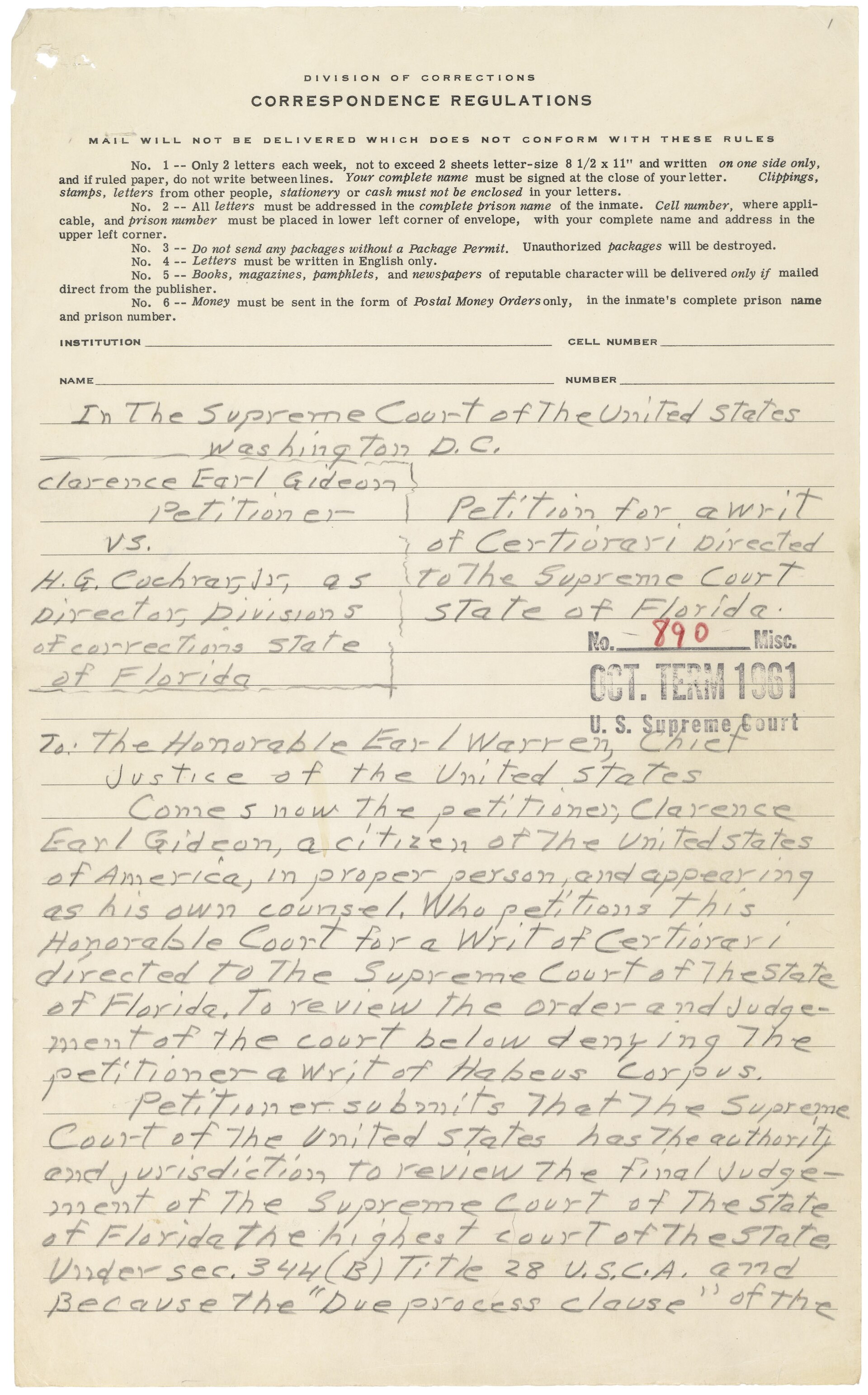
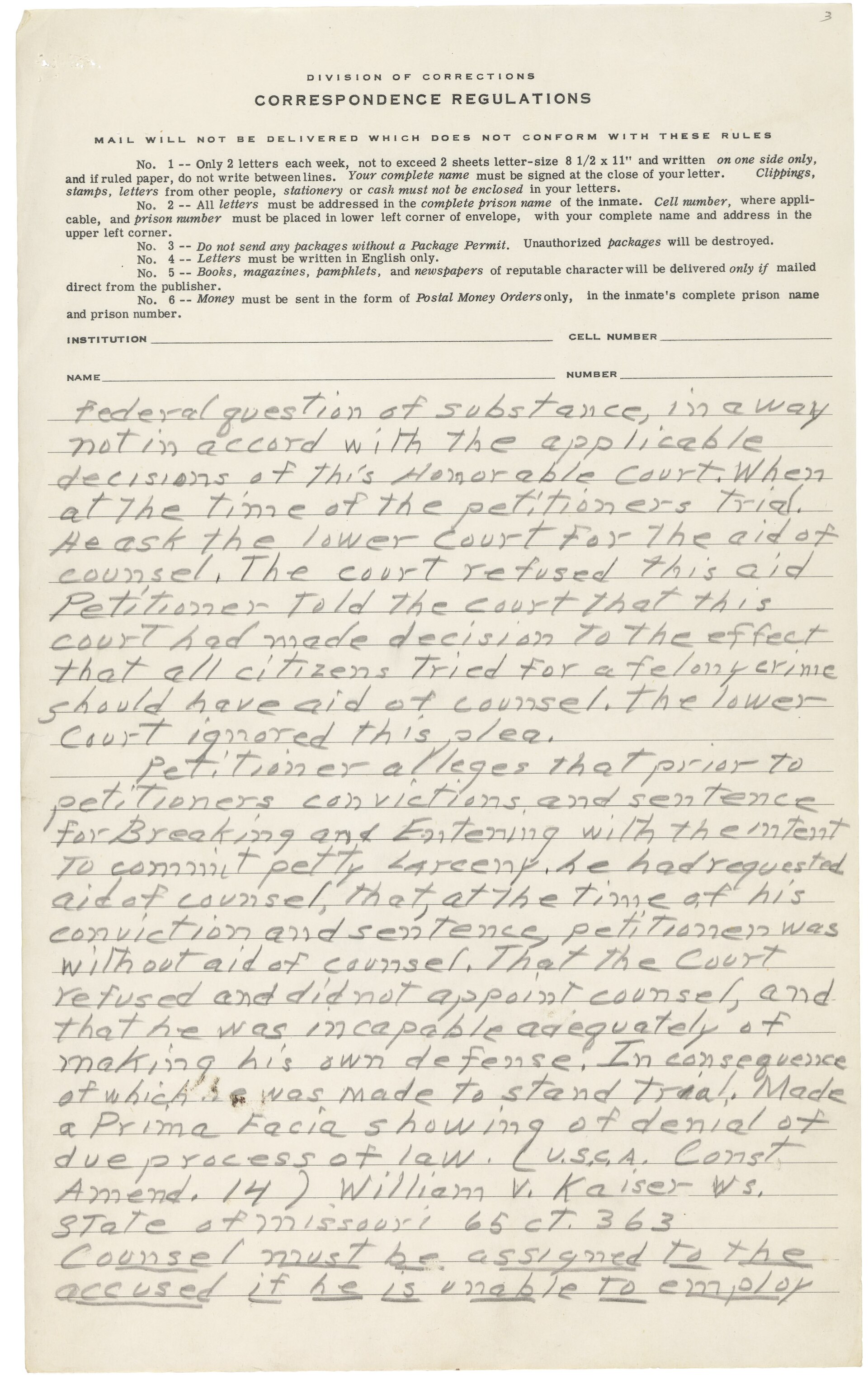
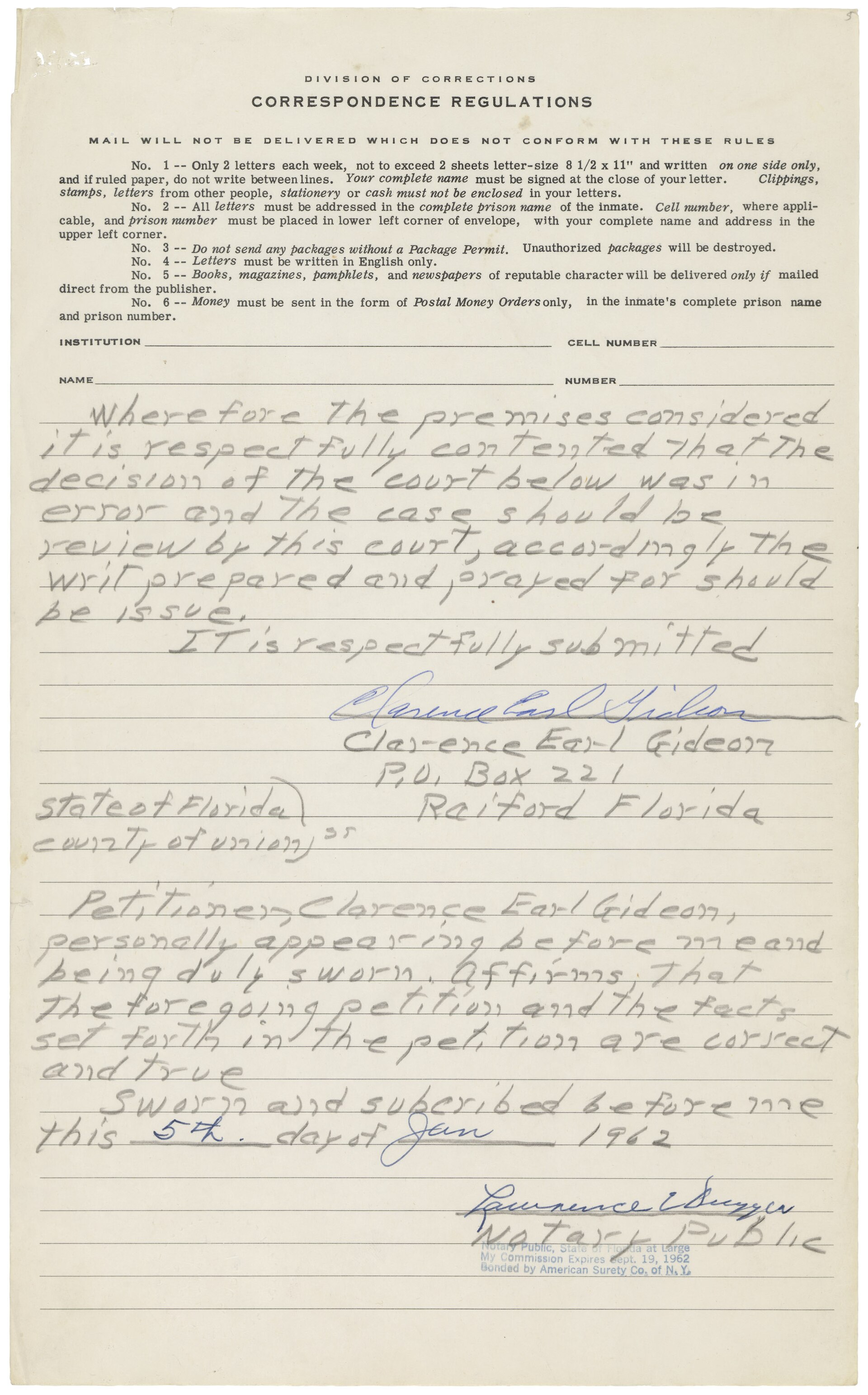
In 1962 Clarence Gideon, in a Florida prison, wrote to the Supreme Court in pencil on prison stationery, asking for what he had been refused at his trial in Panama City: a lawyer. The Court took his case, and in Gideon v. Wainwright held that a state must provide a lawyer to a person charged with a serious crime who cannot afford one. The guide on Criminal.law is named for that request. It promises no outcome; it promises that you can understand what is happening, and reach counsel.
The record
What Gideon never does
- Asks what happened
- Predicts an outcome
- Promises a result
- Keeps a conversation you did not choose to save
- Speaks for a law firm
What the library cites
- United States Code, Titles 18 and 21
- Federal Rules of Criminal Procedure
- State criminal codes and court rules
- Official court and agency pages
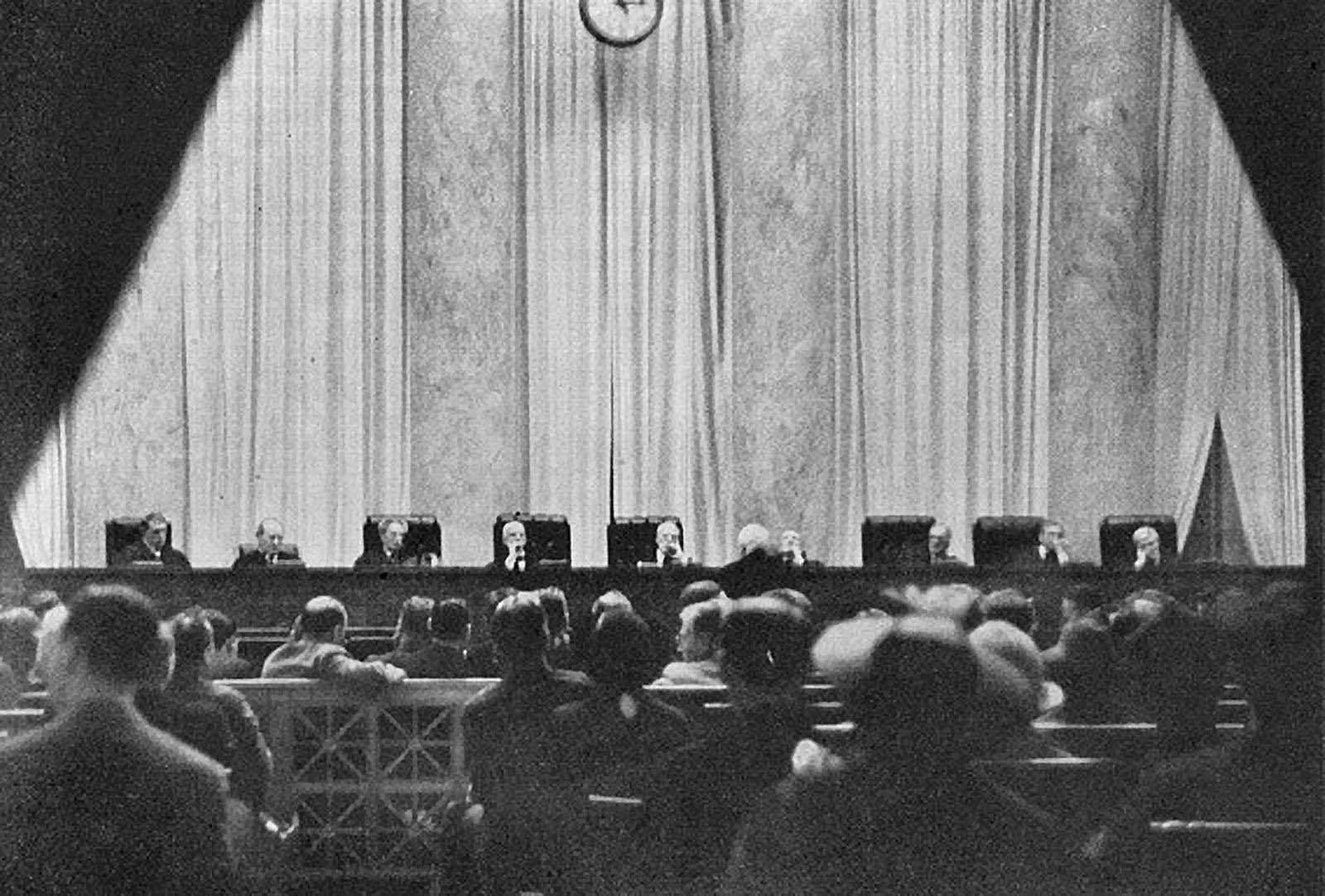
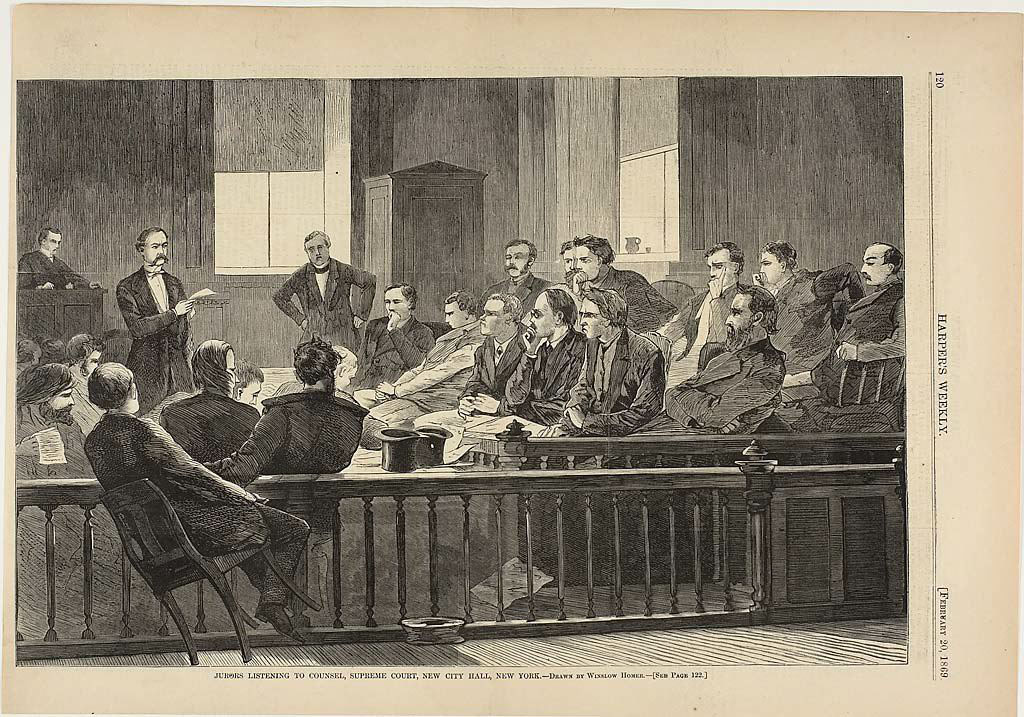
The courtroom
Plain answers
Is this chat privileged? No. Nothing said to Gideon is protected by attorney-client privilege, and we say so before you type. Keep the facts of what happened for a lawyer.
Does Gideon ask what happened? Never. Gideon asks for the state, the charge if you know it, and where things stand. If you begin to describe what happened, Gideon stops you and explains why.
Is anything stored? Not unless you choose to. Saving new exchanges for private quality review is optional and off by default. The conversation lives in your own browser, and you can clear it.
Is this a law firm? No. Criminal.law is not a law firm and does not provide legal advice. Information you submit is not automatically protected by attorney-client privilege. Avoid providing unnecessary sensitive factual details.
Who are the lawyers Gideon mentions? Participating defense firms, one for each county where a firm has joined. They receive a structured summary, never a transcript, and only after you ask.
What does the library cite? Primary law: the United States Code, the Federal Rules of Criminal Procedure, state statutes and court rules, and official court pages. A page that cannot be cited is not published.
Will Gideon say how a case will turn out? No. There are no outcome promises anywhere on the site. An attorney can evaluate the specifics of a case; a website cannot.
Who wrote this? The library is directed by Antonio G. Jimenez, a former prosecutor and former criminal defense attorney, and a member of The Florida Bar.
What does it cost? Nothing. The library, the roadmap, and Gideon are free and anonymous.